I am a long-term (50-plus years) resident of Japan, and former electrical engineer, and I have been translating and interpreting for over four decades here in Japan.
Recently, I had two images on my parent business website that I generated using AI, meaning that I am guilty of causing the associated energy use to create non-essential images. I have taken them down and commit to not using AI-generated images (or AI-generated anything) in the future.
Oh, and unlike countless people active in cyberspace, I do not steal images of any sort and unlawfully republish them in cyberspace without permission of the owner.
Unlawful use of copyrighted material—including images—is rampant in cyberspace. The almost guaranteed anonymity and unreachability of the offenders have led people to make their peace with, meaning surrender to, this unlawful behavior, and I don’t think a system with accountability is going to appear any time soon.
Cyberspace is a lawless land, and that lawlessness destroys trust and fattens the bank accounts of cyber-oligarchs with no demonstrable socially redeeming qualities.
I encountered a conversation on LinkedIn yesterday where the original post was clearly written in ChatGPTese or a dialect thereof, and every single comment was responded to in the same ChatGPTese.
When I asked whether the original post and the responses to numerous apparently human-created comments were being written by a carbon-based entity or something else, I received a quick response, also in ChatGPTese. It didn’t at all read like there was a human behind it.
Authenticity is becoming rare, both on LinkedIn and on other social media platforms. The only input needed from a carbon-based participant is a prompt to a silicon-based assistant, then you just post the result.
Who could tell the difference? Well, just about anyone more intelligent than a starfish and who has not been blinded by the AI hype.
And now, a moment of silence in memory of our dear departed friend, Authenticity.
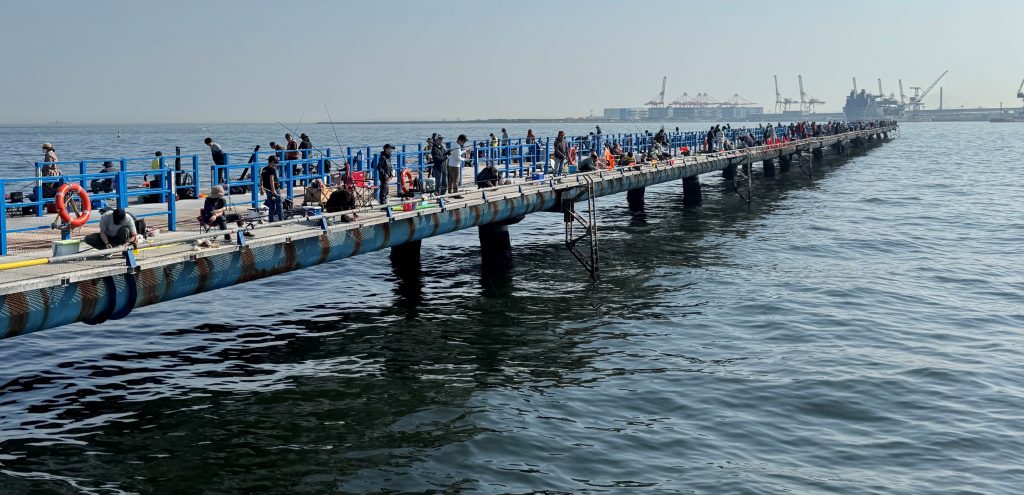
It was a lazy Sunday yesterday, and we decided to take a short trip to the Honmoku Fishing Pier, just a few minutes by bus from our place, walkable with a bit more effort, but I didn’t have that bit in me yesterday.
We weren’t going to fish. I haven’t been fishing since I was about 16, and all of my fishing trips were on fishing boats in the Long Island Sound or off the South shore of Long Island with my dad. I have never fished from a pier.
The fishing pier was packed, including couples out on a fishing date, so to speak, and parents with children. We spent about two hours watching people catch fish of various sizes, mostly disappointingly small and probably requiring their release.
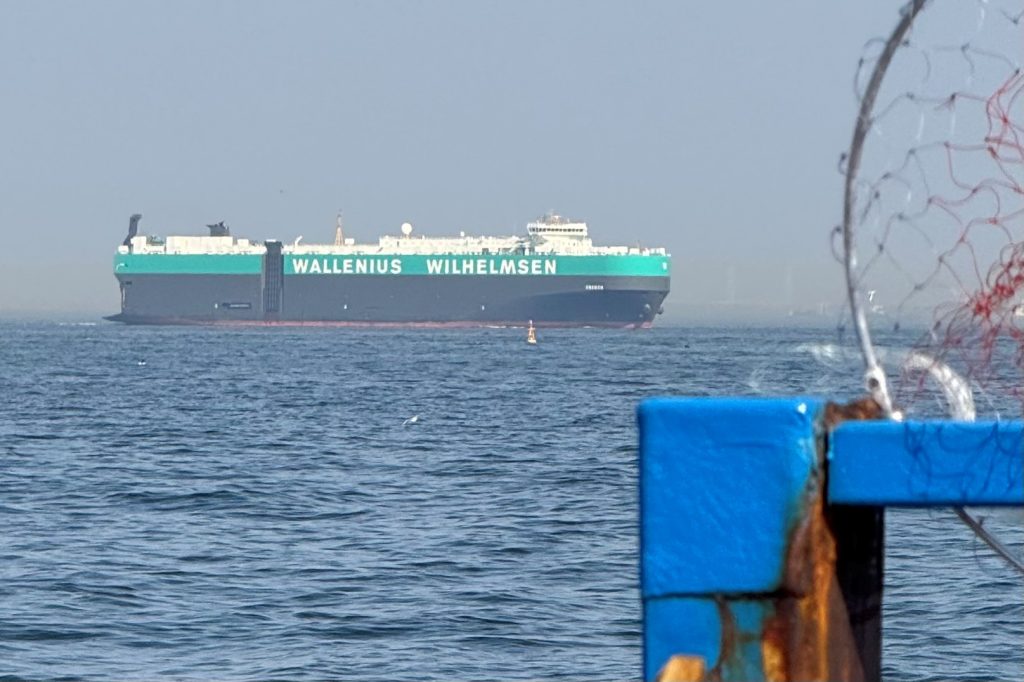
While we were relaxing watching other people fish, we got to see a number of largish cargo ships pass to the East from Yokohama. None were close enough to be identified immediately, but technology came to the rescue, in the form of the Vessel Finder website.
This website provides a map with all ships with the required equipment turned on. Ships involved shipping to and from states involved in ongoing wars apparently switch off that equipment. But I digress.
One of the ships was the Oberon, a vehicle carrier headed to Kobe (as indicated by the Vessel Finder website).
The availability of this information on ships reminds me of the time some years ago when I was left with not much to do on an interpreting assignment in Evansville, Indiana. The witness in a patent case I was supposed to be interpreting for was never called, and I spent a week there with not much to do (during the daytime, anyway) but look out my hotel window at the barges moving slowly up and down the Ohio River, on which the hotel was situated.
I was fully paid for all days, and, while I was cooling my heels in my hotel room waiting for the call that never came, I discovered a service similar to Vessel Finder that indicated the departure times, destinations, and arrival times of barges carrying exciting things like coal up and down the Ohio River. Such is the exciting life of a litigation interpreter. But I digress.